
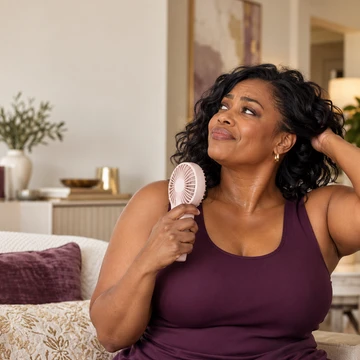
Menopause Is More Than Hot Flashes
Menopause is often reduced to hot flashes and the end of menstrual periods. But the transition can affect sleep, mood, vaginal comfort, and intimacy—changes that deserve more attention and open conversation.
Every woman’s experience is different. There is no single way to look, feel, or live through menopause.
Understanding the Transition
Perimenopause is the transition leading up to menopause. During this time, menstrual patterns may change, and symptoms can begin before periods stop completely. Menopause is reached after 12 consecutive months without a menstrual period, when there is no other explanation.
Night sweats and sleep disturbances can affect daily life. Poor sleep may leave you feeling tired, irritable, or more forgetful—especially when you are also managing work, family, and other responsibilities.
Menopause and Intimacy
Vaginal dryness and discomfort during sex can develop during the menopause transition. These symptoms are worth discussing with your healthcare provider because treatment options are available.
Communication with your partner matters, too. Discussing changes in comfort, preferences, and your need for closeness can help you approach intimacy with greater understanding. You should never feel obligated to tolerate pain to maintain connection.
Supporting Your Wellbeing
From a nursing perspective, a symptom being common does not mean it should be dismissed. If changes are affecting your rest, comfort, or quality of life, write them down and bring them to your appointment.
Hormonal and nonhormonal treatments are available for certain menopause symptoms. Your healthcare provider can help you consider options based on your symptoms and health history.
A consistent sleep schedule, a comfortable bedroom temperature, and a relaxing bedtime routine may also support better rest.
Menopause is a significant life transition, and you deserve reliable information, appropriate care, and space to discuss what you are experiencing. Your comfort, confidence, and sexual wellbeing continue to matter.
By Nurse Milli J, RN
This content is for educational purposes and does not replace individualized medical advice.